
Challenge the Truthfulness of the Warrant Itself
Setra Law Firm, PC litigates Franks hearings for clients in Odessa and Midland, Texas, to challenge search warrants based on false or misleading affidavits in felony cases.
Setra Law Firm, PC represents individuals whose cases involve search warrants that were obtained using affidavits containing false statements, material omissions, or reckless misrepresentations by law enforcement. You may have been charged after a search that was authorized by a warrant, but the officer who applied for that warrant may have left out key facts, misstated what a witness said, or included information the officer knew or should have known was false. This firm files motions for Franks hearings to challenge the validity of the warrant and seeks to suppress all evidence obtained as a result of the defective affidavit.
The process begins with a close review of the probable cause affidavit submitted to the judge, comparing it against police reports, witness statements, and other documentation to identify inconsistencies or omissions. Under Franks v. Delaware, you have the right to challenge a warrant if you can show that the affidavit contained a false statement made knowingly or with reckless disregard for the truth, and that the false statement was necessary to the finding of probable cause. If the court grants a Franks hearing, the officer who signed the affidavit must testify, and the warrant can be invalidated. In complex felony cases involving drugs, firearms, or financial crimes, a successful Franks motion can eliminate the prosecution's core evidence.
If your case involves a search warrant and you believe the affidavit contained false or misleading information, contact Setra Law Firm, PC to discuss whether a Franks hearing is appropriate.
How a Franks Hearing Unfolds
You provide copies of the search warrant, the affidavit, and any reports or recordings related to the investigation. The firm compares what the officer told the judge against what the officer knew at the time. If the affidavit includes a statement from a confidential informant that contradicts what the informant actually said, or if it omits the fact that a key witness recanted, those discrepancies are documented in a motion requesting a Franks hearing.
Once the court grants the hearing, the officer who signed the affidavit is called to testify under oath. Setra Law Firm, PC cross-examines the officer on the accuracy of each statement in the affidavit, the sources of information, and what was left out. If the court finds that the affidavit contained material falsehoods or omissions, the warrant is invalidated, and all evidence obtained through the search is suppressed. You will see either a dismissal of charges, a significant weakening of the prosecution's case, or a foundation for appeal if the motion was denied.
Franks hearings are used in cases involving narcotics, firearms, white collar investigations, and organized crime. They are especially important when the search warrant was the sole basis for entering a home or business, or when the affidavit relies heavily on statements from confidential informants whose credibility is questionable. The hearing does not determine guilt but focuses entirely on whether the warrant was validly issued.
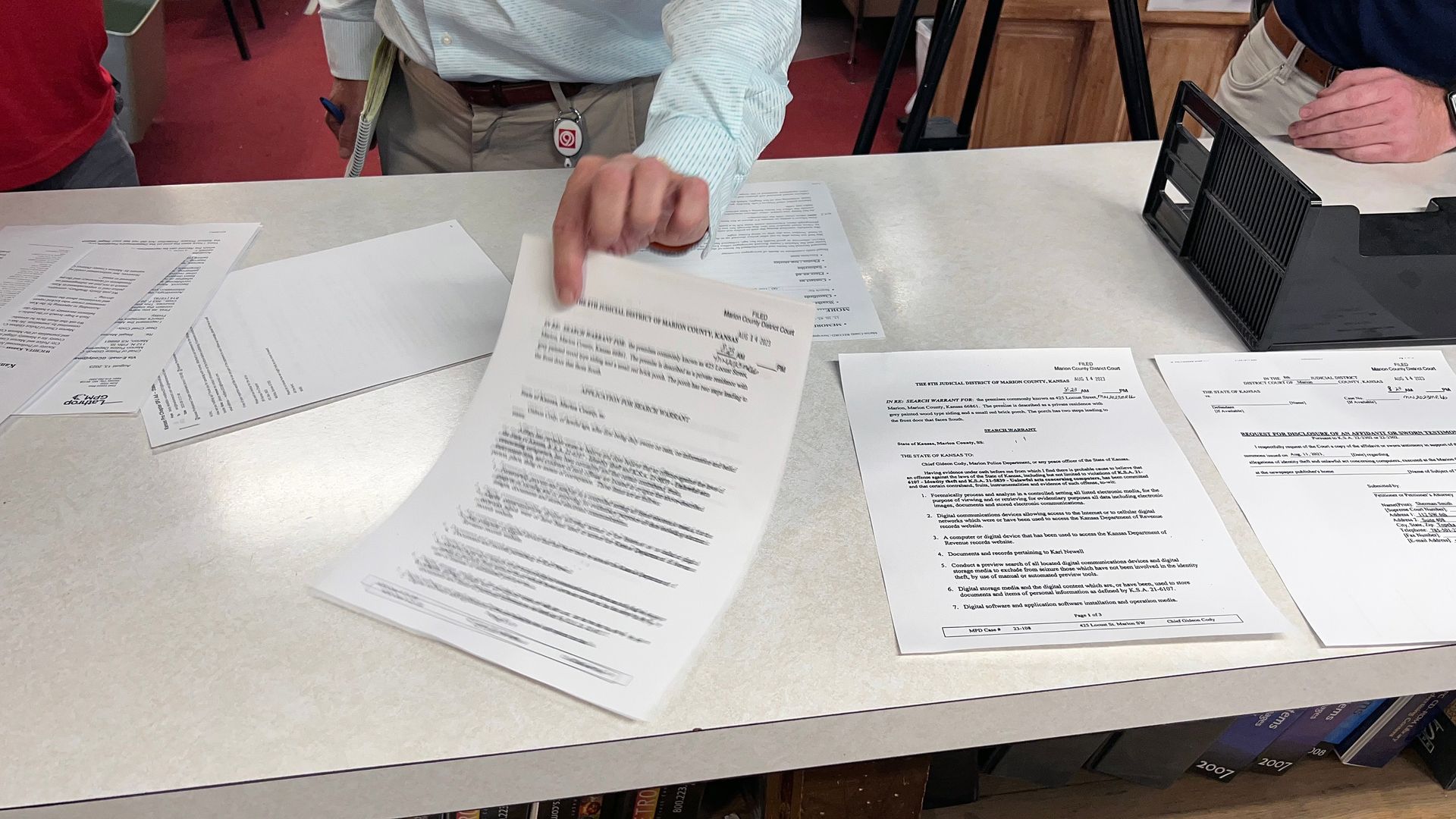
Clients ask these questions when they believe the warrant used to search their property was based on inaccurate or incomplete information.
What to Know Before Requesting a Franks Hearing
It is an evidentiary hearing where the defense challenges the truthfulness of a search warrant affidavit. If the court finds that the affidavit contained material falsehoods, the warrant is invalidated and the evidence is suppressed.
What is a Franks hearing?
You must show that a statement in the affidavit was false, that the officer knew it was false or acted with reckless disregard for the truth, and that the false statement was necessary to establish probable cause. This requires comparing the affidavit to underlying reports and witness accounts.
How do you prove an affidavit was false?
All evidence obtained through the search is suppressed. In most cases, this results in dismissal of the charges because the prosecution cannot proceed without the physical evidence seized during the search.
What happens if the warrant is invalidated?
Why are Franks motions important in Midland and Odessa?
Many felony cases in West Texas involve search warrants obtained quickly based on informant tips or surveillance. The quality of affidavits can vary, and material omissions are not uncommon, especially in high-volume drug enforcement environments.
Omissions that would have changed the judge's decision to issue the warrant are material. Examples include failing to disclose that an informant has lied in the past, omitting exculpatory surveillance footage, or leaving out facts that undermine the reliability of a tip.
What types of omissions count as material?
Overview of Texas Misdemeanor Defense
If you are facing misdemeanor charges in Texas, this guide will help you understand your options and make informed choices about how to defend and resolve your case.
Defending against misdemeanor criminal charges in Texas means using different strategies, like arguing the facts of the case, pointing out problems in the way the case was handled, or suggesting other ways to punish someone instead of jail. Texas divides misdemeanors into three levels: Class A (the most serious, with up to one year in jail or a $4,000 fine), Class B (up to 180 days in jail or a $2,000 fine), and Class C (only a fine up to $500).[1] People charged with these crimes can claim certain defenses, like self-defense, protecting someone else, doing something necessary to prevent harm, or protecting property. For all these defenses, the person must have had a reasonable belief that what they did was needed.[2] Other defenses include making an honest mistake about the facts, but only if that mistake means they didn’t have the guilty mind required for the crime.[3] There are also defenses about how the case is handled, like arguing that the case was brought too late (usually after two years for Class A and B misdemeanors), that it’s in the wrong place, or in the wrong court.[4] People charged with misdemeanors can also try to work out a deal with the prosecutor, which might include special types of probation or programs. If they finish these successfully, their case might be dismissed and they could have their record sealed.[5]
Types of Misdemeanors and Punishments in Texas
Texas law uses three levels to sort misdemeanors, which are less serious crimes. Class A misdemeanors (most severe) are the most serious kind and can get you up to a year in jail, a fine up to $4,000, or both.[1] Class B misdemeanors (moderate severity) can get you up to 180 days in jail or a fine up to $2,000.[2] Class C misdemeanors (least severe) are the least serious and only come with a fine up to $500, with no jail time.[3]
If someone keeps breaking the law and gets convicted of certain Class C misdemeanors three times within two years, the punishment can be increased to up to 180 days in jail and a fine up to $2,000.[4] Also, if a misdemeanor is a hate crime, the punishment can be raised to the next higher level. For Class A misdemeanors in hate crime cases, there is a required minimum of 180 days in jail.[5]
Defenses That Excuse Your Actions
Texas law gives people certain excuses, or defenses, for their actions in misdemeanor cases. One of these is self-defense. The law says you can use force to protect yourself if you honestly and reasonably believe you need to protect yourself from someone else's illegal use of force.[1] This defense uses both a subjective and objective test: you must actually believe (subjective honesty) that you need to use force, and your belief must also be reasonable in the eyes of an average person (objective reasonableness). Whether your belief was reasonable is usually decided by the judge or jury.[2]
You can also use force to protect someone else if you reasonably believe they are in danger from another person’s illegal force, and you think you need to step in right away to protect them.[3] There are also rules that allow you to use force to protect your land or things you own if you think it’s immediately needed to stop someone from trespassing or messing with your property.[4] For example, if someone walks onto your driveway without permission and refuses to leave, you might have the right to use reasonable force to make them go away. This helps put the law into everyday situations that people might face.
Another defense is called “necessity.” This means you did something illegal because you honestly thought you had to act right away to stop something bad from happening, and stopping the harm was more important than following the law.[5] If you want to use this defense, you have to admit you broke the law, but then explain that it was necessary to avoid a bigger problem (requires acknowledging the conduct).[6]
Defenses Based on Your State of Mind
The “mistake of fact” defense means that if you honestly and reasonably believed something that made you act, and if your belief means you didn’t have the guilty mind needed for the crime, then you might not be guilty.[1] But this only works if your mistake is about something important to the case, and if your belief was honest and reasonable.[2] If what you thought was true, then what you did wouldn’t have been illegal.[3]
The “mistake of law” defense is harder to use. You have to show that you reasonably believed what you did was not a crime, and you relied on something official, like a written statement from a government agency or a court opinion saying it was okay.[4] There’s also a “duress” defense, which means you only did the crime because you were forced or threatened so strongly that most people would have given in.[5]
Defenses Based on Legal Procedures and Deadlines
There are rules about how long the government has to charge you with a crime. For Class A and B misdemeanors, the case must be started within two years of the crime. For Class C misdemeanors, it’s also two years. If too much time passes, the case can’t go forward.[6] But if the case is for assault against a family or household member, they have up to three years to start the case.[7]
When the Statute of Limitations Can Be Paused
Certain events can pause or “toll” the clock on these deadlines. For example, if charges are already in court, the timer can stop running until the case is resolved or dismissed, making the time limit longer than it might seem at first.[8] Also, when figuring out the time, you don’t include the day the crime happened or the day the charges were filed.[9] Pay close attention to these details, because even small differences in timing can make or break a misdemeanor case.
The government has to bring the case in the right county. If they file it in the wrong place, you can challenge that. If you win a venue objection, the case could be dismissed (often "without prejudice," meaning it can be refiled in the correct county) or transferred to the court that actually has the authority to hear the case. Preserving this objection early can give you real leverage, since cases filed in the wrong place may face re-filing delays or even be dropped completely. Also, sometimes a court isn’t allowed to hear certain types of cases, and you can challenge that, too.[10]
Plea Bargains, Probation, and Other Sentencing Options
One of the best deals people can get in misdemeanor cases is called deferred adjudication community supervision. This means the judge puts the case on hold and does not officially find you guilty. The judge can do this if it seems good for both you and the public.[1] In these cases, you can be on supervision for up to two years.[2]
If you finish deferred adjudication successfully and the judge never finds you guilty, your case will be dismissed and you will be let go.[3] For some misdemeanors, this means you can also ask the court to seal your criminal record so it’s not public.[4]
Another option is regular community supervision (sometimes called probation), which lets you avoid jail after you’re found guilty. This usually lasts up to two years, but the court can make it up to three years if needed.[5] Veterans on supervision for misdemeanors may get extra help through special job programs while they are on probation.[6]
How Texas Courts Apply These Defenses
Texas courts say that if you bring up a defense and there’s some evidence for it, the judge must explain that defense to the jury. For example, in a case called Spakes v. State, the court said that someone accused of escaping didn’t have to prove they tried to turn themselves in if they had evidence that they left because they needed to avoid immediate harm. If you show you had to leave right away to stop something bad from happening, you should get a “necessity” instruction for the jury.[7]
About the “mistake of fact” defense, the court in Beggs v. State said that if someone honestly made a mistake about something important to the case, they should get a jury instruction about this defense.[8]
Recent Changes in Texas Misdemeanor Law
In 2017, Texas updated its laws about probation and deferred adjudication. The new rules make it clearer who is eligible, give more protection to people in the system, and make it easier to get your record sealed if you qualify.[9]
There are special job programs for veterans who are on community supervision for misdemeanors, which give them more help and support while they’re on probation.[10]
Now, for assault charges involving family or household violence, the government has up to three years to bring the case. Lawmakers made this change because these cases are often complicated and may take more time to investigate and prosecute.[11]
Other Important Issues in Misdemeanor Cases
* You can ask the court to throw out evidence if the police broke search and seizure rules (the Fourth Amendment) and that led to your misdemeanor charges.[12]
* You can challenge the quality of your lawyer if you think your lawyer didn’t do a good job, especially in busy courts where lawyers have lots of cases.[13]
* If you aren’t a U.S. citizen, being found guilty of a misdemeanor could affect your immigration status. The judge has to warn you about this.[14]
* Some jobs require special licenses, and having a misdemeanor can affect whether you can get or keep these licenses.[15]
* If you’re on probation or supervision and get accused of breaking the rules, there are special hearings with different standards and rules for showing evidence.[16]
* If your case is dismissed or you’re found not guilty, you might be able to get your record cleared (expunged).[17]
Understanding Plea Bargains and Lawyer Duties
In misdemeanor cases, lawyers and prosecutors often work out deals called plea bargains. This means the prosecutor might lower the charges or suggest a lighter punishment, and sometimes judges join these discussions too. These deals help people avoid going to trial and can lead to better results. Usually, plea bargains include talks about possible sentences and giving up certain rights. If you give up rights, like the right to appeal, it usually has to be in writing. Your lawyer is very important in these deals: they talk to the prosecutor, explain your choices, and help you decide whether to plead guilty or go to trial. Your lawyer must make sure you really understand your options. If your lawyer does not tell you about defenses you could use or possible lesser charges, and this hurts your decision, you might be able to challenge your lawyer’s work in court.[1]
To help you weigh these options, here is a simple decision matrix that compares what you might expect if you accept a plea bargain versus if you go to trial. This can also help you understand what your lawyer should do in each situation
Using the chart below, talk with your lawyer about which option fits your situation best. If your lawyer does not clearly explain both paths—including your rights, the evidence, defenses, and risks—they may not be meeting their duties to you. Visualizing these paths can help you make a more informed and confident choice.
You have the right to defend yourself in court instead of having a lawyer, but you must clearly agree to this and understand what it means. The judge will make sure you know what you’re facing, what the rules are, and the risks if you go without a lawyer. Defending yourself can be tricky, especially with all the rules and evidence. Even if your lawyer doesn’t win your case, they are still expected to make good decisions and use reasonable strategies during the whole process—from before the trial to sentencing. Judges usually trust lawyers to make choices unless they are clearly unreasonable or make mistakes that hurt your case. If your lawyer has a conflict of interest that affects how they defend you, it must be shown to have harmed your case. Judges also can’t punish you with a tougher sentence just because you didn’t take a plea deal. You have the right to go to trial without being punished for using that right.[2]
Recent Court Decisions Affecting Misdemeanor Defense
A recent court decision in Texas said that people who appeal Class C charges (like traffic tickets) and pay a bond to get a new trial in county court are still under the court’s control. This means they can ask the court to review if the law they broke is too unclear or vague. The court explained that things like having a complaint filed against you, a first conviction, and risking arrest or losing your bond mean you are still under state authority, so you can use pretrial habeas relief to challenge the law.[3]
This decision is important because it means that if you are appealing a Class C conviction in Texas, you can challenge the law itself before your new trial in county court. The ruling explains what counts as being under the court’s control in these cases.[4]
Footnotes
1. TX PENAL § 12.21
2. TX PENAL § 12.22
3. TX PENAL § 12.23
4. TX PENAL § 12.43
5. TX PENAL § 12.47
6. TX PENAL § 9.31
7. Barrios v. State, 389 S.W.3d 382 (2012)
8. TX PENAL § 9.33
9. TX PENAL § 9.41
10. TX PENAL § 9.22
11. Sony v. State, 307 S.W.3d 348 (2009)
12. TX PENAL § 8.02
13. Durden v. State, 290 S.W.3d 413 (2009)
14. Celis v. State, 416 S.W.3d 419 (2013)
15. TX PENAL § 8.03
16. TX PENAL § 8.05
17. TX CRIM PRO Art. 12.02
18. TX CRIM PRO Art. 12.04
19. Schmutz v. State, 440 S.W.3d 29 (2014)
20. TX CRIM PRO Art. 42A.101
21. TX CRIM PRO Art. 42A.103
22. TX CRIM PRO Art. 42A.111
23. TX GOVT § 411.072
24. Warmoth v. State, 946 S.W.2d 526 (1997)
25. TX CRIM PRO Art. 42A.382
26. Spakes v. State, 913 S.W.2d 597 (1996)
27. Beggs v. State, 597 S.W.2d 375 (1980)
28. TX CRIM PRO Art. 42A.103, TX CRIM PRO Art. 42A.111
29. TX CRIM PRO Art. 42A.382
30. TX CRIM PRO Art. 12.02
31. 25 AMJUR TRIALS 69, 10 A.L.R.4th 8
32. 98 A.L.R.3d 13, 184 AMJUR POF 3d 267, 11 A.L.R.6th 237
33. Ex parte Kleinman, 2025 WL 2169102 (Tex. Crim. App. 2025)
34. 42 No. 19 CRIMLWNEWS-NL 11
(Each footnote should match the number used in the main text and provide the relevant legal citation or case name as shown.)
| OPTION | PLEA BARGAIN | TRIAL |
|---|---|---|
| OUTCOME | Reduced charge/sentenc | Possible acquittal or conviction |
| PROCESS | No trial, quicker process | Full trial, longer process |
| RIGHTS | Give up some rights (like right to appeal) | Keep all defense rights (including right to appeal) |
| LAWYER'S DUTIES | Explain plea terms, prepare for options and consequences | Advise on defenses, challenge evidence, ensure you understand options and consequences |
| RISKS | May have record/penalty, cannot appeal most issue | Risk of full penalty if convicted |
| BENEFITS | Certainty, less stress | Chance for full acquittal |
Setra Law Firm, PC files Franks motions and represents clients at evidentiary hearings in both state and federal court. If you believe the warrant in your case was based on false or incomplete information, reach out to discuss whether a Franks challenge is warranted.