Exposing Weaknesses in Prosecution Testimony
Setra Law Firm, PC conducts cross-examination and expert voir dire for criminal defendants in Odessa and Midland, Texas.
Setra Law Firm, PC represents clients whose cases depend on dismantling the credibility and reliability of witnesses presented by the prosecution. You face testimony from law enforcement officers, forensic analysts, and expert witnesses whose statements carry significant weight with juries. Cross-examination is the primary tool your attorney uses to reveal inconsistencies, expose gaps in methodology, and challenge the foundation of the evidence being used against you. This firm prepares and executes precision questioning designed to erode confidence in prosecution evidence and protect your right to a fair trial.
Cross-examination of law enforcement witnesses involves more than asking yes-or-no questions. It requires a detailed understanding of police procedures, report writing practices, and the circumstances of your arrest or investigation. Your attorney examines the officer's recollection of events, compares testimony to written reports, and identifies contradictions that suggest bias, incomplete investigation, or faulty memory. Expert voir dire goes further by questioning the qualifications, methods, and conclusions of forensic witnesses. Whether the expert testifies about toxicology, ballistics, digital evidence, or field sobriety tests, your attorney must understand the science well enough to challenge it in front of a jury.
If your case involves contested witness testimony or forensic evidence, reach out to Setra Law Firm, PC to discuss how cross-examination strategy fits into your defense.
How Effective Questioning Undermines the State's Case
You need your attorney to prepare cross-examination with the same rigor as direct examination. Setra Law Firm, PC reviews police reports, lab results, chain of custody logs, and prior testimony to identify weaknesses before trial. The firm uses deposition transcripts and discovery materials to lock witnesses into prior statements, then contrasts those statements with trial testimony to highlight changes or evasions.
After effective cross-examination, the jury hears testimony that no longer appears certain or unassailable. You will see the prosecution's narrative weakened by admissions of uncertainty, acknowledgment of procedural shortcuts, or exposure of conflicting facts. A forensic expert who cannot explain the margin of error in a test, or a police officer who cannot recall key details from the incident report, loses credibility in ways that benefit your defense.
Technical cross-examination of forensic experts often focuses on methodology and chain of custody. Your attorney questions whether the lab followed proper protocols, whether samples were contaminated, whether instruments were calibrated, and whether the analyst has the experience to support their conclusions. In cases involving blood alcohol content, drug identification, or DNA analysis, these questions can mean the difference between a conviction and an acquittal. The firm also challenges whether the expert's testimony exceeds the scope of their actual findings or strays into speculation.
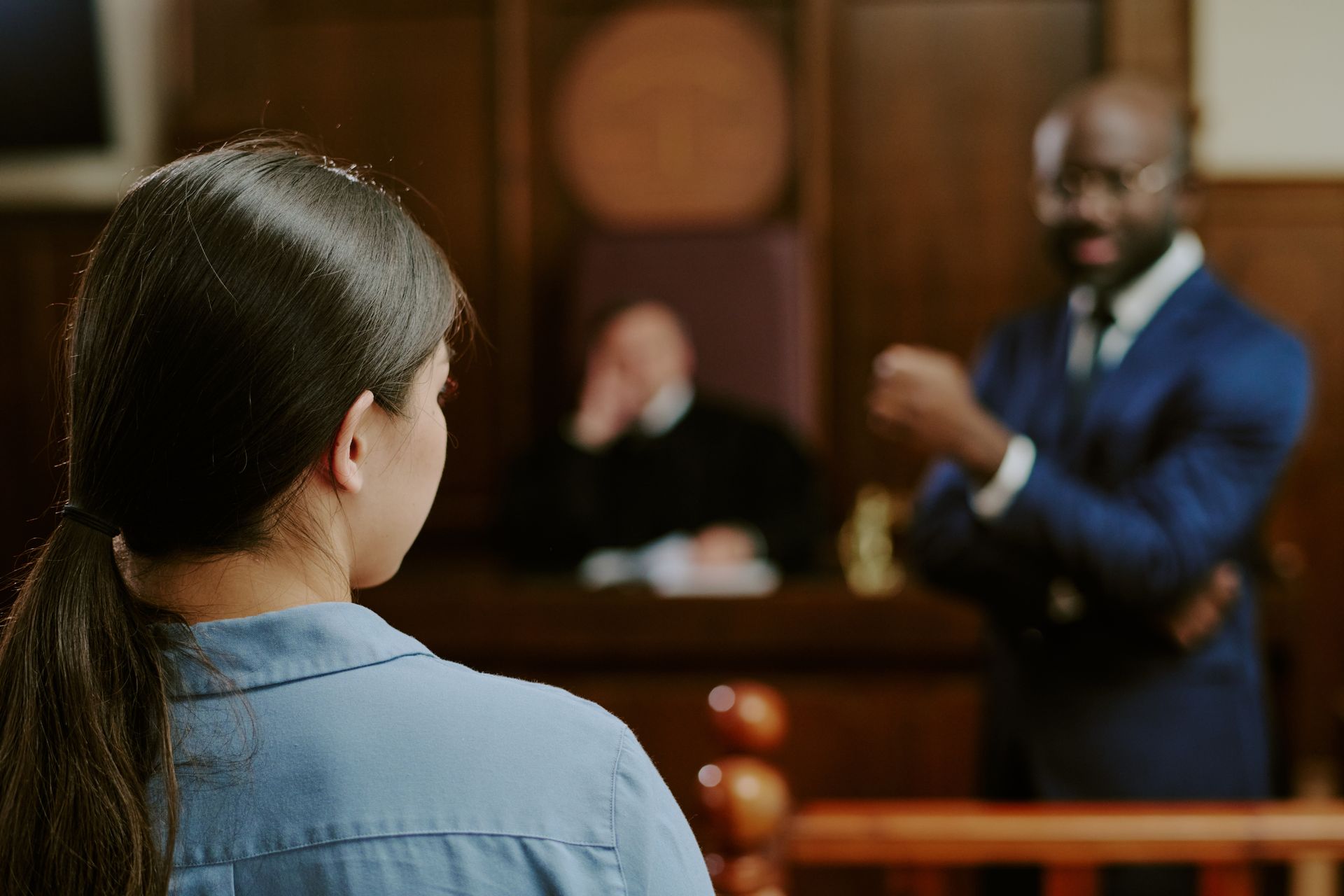
Clients often want to understand how cross-examination is structured and what it can realistically achieve in their case.
Common Questions About Cross-Examination and Expert Challenges
Your attorney seeks to expose inconsistencies between the officer's testimony and the written report, reveal gaps in the investigation, or show bias in how evidence was collected or interpreted.
What is the goal of cross-examining a police officer?
Voir dire of an expert occurs before the expert testifies and focuses on their qualifications and the reliability of their methods. Cross-examination occurs after direct testimony and challenges the substance of their conclusions.
How does expert voir dire differ from cross-examination?
If your attorney shows that evidence was mishandled, mislabeled, or stored improperly, the court may exclude that evidence or allow the jury to question its reliability.
What happens if chain of custody is broken?
Why does methodology matter in forensic testimony?
Courts in Texas require that expert testimony be based on reliable principles and methods. If the testing procedure was flawed or the expert cannot explain how they reached their conclusion, the testimony may be inadmissible.
Judges in this region apply the same evidentiary standards as other Texas courts, but familiarity with local prosecutors, law enforcement agencies, and expert witnesses can inform how cross-examination is tailored.
What role does local practice play in Odessa and Midland?
Setra Law Firm, PC prepares cross-examination and expert challenges with attention to detail and a focus on protecting your defense. Contact the firm to discuss how witness credibility issues may affect the outcome of your case